Lozi – Hyundai
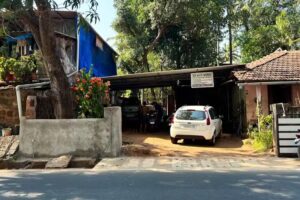
BackFor former and prospective Hyundai owners in Kohima, the name Lozi Hyundai likely brings forth a mix of experiences and memories. Once a key establishment for the brand in the region, located on New Secretariat Road in Sanuoru, it operated as an authorized dealership and service center. However, this establishment is now permanently closed, leaving behind a complex legacy reflected in the varied customer feedback that defined its operational years. Examining its history provides valuable insight into the challenges and successes of running an authorized car service center.
The Dealership's Positive Reputation
On platforms like Justdial, Lozi Hyundai was presented as a top player in its category, garnering a high average rating of 4.7 stars from over 250 reviews. This suggests that, for many, the initial customer-facing interactions were overwhelmingly positive. The business was described as a convenient one-stop destination for those looking to purchase a wide range of Hyundai models, from the Eon and Santro to the Elantra and Tucson. This comprehensive offering made it a central hub for Hyundai enthusiasts and buyers in the area.
Specific praise was often directed at the staff. One customer review from several years ago highlighted the welcoming nature of the front executives, stating they were very satisfied with the service received. Other reports mentioned that the staff was courteous, prompt, and helpful in answering questions, which are crucial elements in building trust during the car-buying process. This focus on positive customer interaction likely contributed to its high ratings and established its reputation as a professional and welcoming dealership for a time.
Challenges in the Service Department
Despite the positive feedback on its sales operations, a different picture emerges when looking at the after-sales service and auto repair functions of Lozi Hyundai. The initial data, which indicated a single, more moderate 3-star rating, hints at an underlying dissatisfaction that is further explained by more detailed negative reviews found elsewhere. These accounts point toward significant operational issues that undermined the otherwise positive customer experience.
A recurring and critical complaint was related to the availability of genuine parts. One particularly telling review noted that while the staff members were good, their vehicle was kept at the workshop for about a month waiting for repairs. This level of delay is a major failure for any car repair shop, especially an authorized one, as customers rely on them for efficient and timely service to minimize vehicle downtime. Such experiences lead to immense frustration and can completely overshadow a positive purchasing process. A prolonged wait for essential car maintenance suggests systemic problems with inventory management or the supply chain, which are fundamental to a successful vehicle maintenance operation.
Systemic and Communication Failures
The issues appeared to extend beyond just parts. Another customer pointed out severe communication and systemic breakdowns. A review from around four years ago mentioned that the official website was non-functional and that booking a service appointment required a personal visit to the center. In an increasingly digital world, the lack of a functioning website or remote booking system is a major inconvenience. The same review concluded that the service was “not advisable for customers outside Kohima area,” indicating that the operational hurdles made it impractical for anyone who couldn't easily visit in person. This feedback suggests a business struggling to keep up with modern customer expectations for accessibility and convenience in automotive services.
These backend struggles likely explain the discrepancy between the high 4.7-star ratings and the more critical individual reviews. It's plausible that the sales experience was excellent, leading to many high ratings, while the car service and repair experience was inconsistent and problematic, generating detailed negative feedback from customers who required post-purchase support.
The Importance of Authorized Service Standards
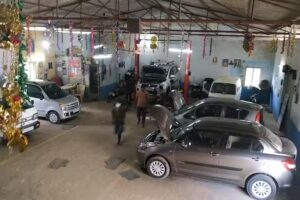
As an authorized Hyundai service center, Lozi Hyundai was expected to adhere to a high standard of quality and efficiency. This includes employing certified mechanics trained specifically on Hyundai vehicles, using OEM parts to ensure compatibility and longevity, and providing reliable engine diagnostics and repairs. While customers praised the politeness of the staff, the workshop’s inability to perform timely repairs due to parts shortages was a significant deviation from these standards.
An effective service center must excel in several key areas:
- Diagnostic Services: Accurately identifying issues with a vehicle is the first and most critical step. This requires both skilled technicians and up-to-date diagnostic equipment.
- Routine Maintenance: Services like a routine oil change, brake service, and vehicle inspection must be performed efficiently and systematically. The review mentioning a need to be “more systematic” suggests this might have been a weakness.
- Major Repairs: For more complex jobs like engine repair or transmission repair, clear communication, transparent pricing, and adherence to estimated timelines are paramount. The month-long delay for a repair is a clear failure in this regard.
The story of Lozi Hyundai serves as a reminder that a dealership is judged just as much by its service bay as its showroom floor. A fantastic sales experience can be quickly undone by a frustrating and inefficient after-sales service experience. The ultimate closure of the business, noted as “Discontinued” on some platforms, suggests that these operational challenges may have become insurmountable.
A Concluded Chapter for Kohima's Hyundai Owners
Lozi Hyundai is now a closed chapter in Kohima's automotive landscape. For a period, it was a central point for purchasing Hyundai vehicles, celebrated for its welcoming and professional sales team. However, its legacy is equally defined by the significant struggles within its service department, particularly concerning parts availability and operational efficiency. This duality offers a lesson on the importance of holistic business management, where the quality of car service and repair must match the quality of the initial sale. Former patrons and potential Hyundai customers in the region must now look to other providers for their sales and service needs, leaving the memory of Lozi Hyundai as a case study of a business with both notable strengths and critical weaknesses.